
The Best Way to Take CoQ10 for Better Absorption and Results
Coenzyme Q10 (CoQ10) is a naturally occurring compound in the body, but it is also available as a supplement. When and how you take CoQ10 supplements can affect how well it's absorbed. The best time to take CoQ10 supplements is with a meal containing dietary fat.
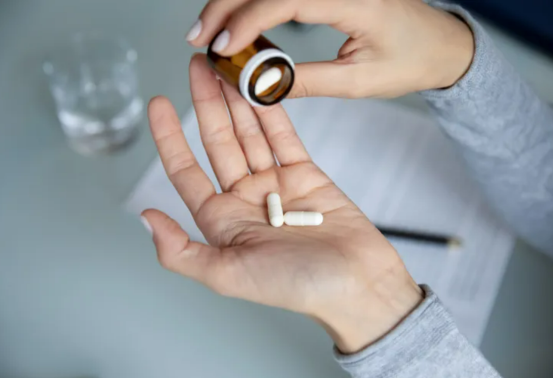
When Should You Take CoQ10?
There's no specific time of day recommended for taking CoQ10. When you take it depends on several factors. Here are some tips:
Take with fatty meals: CoQ10 is a fat-soluble vitamin-like compound. Therefore, it is better absorbed when taken after a meal containing dietary fat. No matter your goal, taking CoQ10 with a fat-containing meal will allow it to be absorbed more effectively.
Spread apart higher doses: Your body can only absorb so much at any one time. This is why breaking it into twice-daily 100-milligram (mg) doses may result in higher CoQ10 blood levels than once-daily 200 mg.
Consider how it affects you: Since side effects include fatigue or insomnia, the best time to take CoQ10 may also depend on how it affects you. For example, if CoQ10 makes it hard for you to sleep, consider taking it with your breakfast in the morning.
How Much Should You Take?
A commonly studied dose for CoQ10 is 300 mg daily. This is based on the body's production and turnover of CoQ10 in the body.
However, the CoQ10 dosage may vary based on your health conditions, medications, and health goals.
For Heart Health
CoQ10 has been studied for its use in heart health (when used in addition to standard treatment). No specific timing has been researched when taking it for heart health, but dosages have been evaluated.
According to a review paper, a therapeutic CoQ10 blood level of 3.25 micrograms per milliliter (mcg/mL) is considered effective for heart disease. This blood level can be achieved with 100 milligrams (mg) of CoQ10 twice daily.
There is also a clinical trial that combined a 200 mg daily dose of CoQ10 with 200 mcg of an organic high-selenium yeast supplement for four years. Results showed better heart function and lower heart-related deaths among older adults.
In another clinical trial, participants with a mean age of 62 years and heart failure took 100 mg of CoQ10 three times daily in addition to standard therapy for two years. The study suggests potential improvements in symptoms and survival in people with heart failure.
For Energy
CoQ10's use for boosting energy and reducing fatigue has been mixed. Some research has found doses of 300 mg per day to be most effective for reducing fatigue in healthy adults.
In a small 2021 review, 200 mg of daily CoQ10 with 20 mg of nicotinamide adenine dinucleotide (NADH) showed lower fatigue scores than placebo (an ineffective substance). However, there was no effect on sleep by the eighth week.
In another clinical trial, however, 12 weeks of daily CoQ10 150 mg improved sleep quality and performance on math-related tasks compared with the placebo group.
There have been no reports of severe side effects with CoQ10. In fact, CoQ10 is generally well-tolerated. Even at high doses, side effects are no more than a placebo. However, mild side effects may include:
l Dizziness
l Fatigue
l Headache
l Insomnia
l Stomach upset
CoQ10 might also interact with some prescription medications, including the blood thinner warfarin and insulin for diabetes.
It is also worth noting that several promising clinical trials are small, and more rigorous studies are still warranted to better understand CoQ10 and draw conclusions about its effects.
Discuss with a healthcare provider to ensure proper and safe use of CoQ10 based on available evidence.
